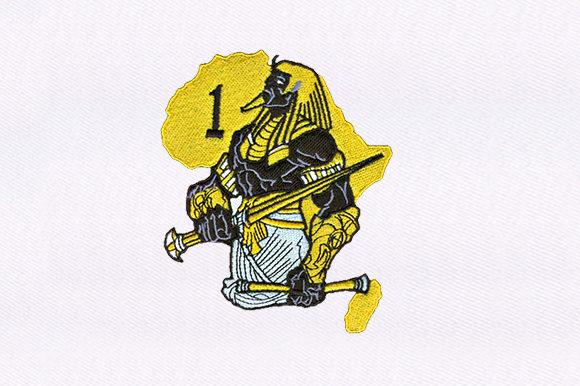
Egyptian Warrior
A First Impression That Speaks Volumes
The moment I opened the machine embroidery design for Egyptian Warrior, I was struck by its bold yet refined aesthetic. The design carries a sense of ancient mystery, with intricate patterns that hint at the rich history of Africa. It feels both elegant and timeless, with a strong emotional appeal that makes it ideal for personalized gifts.
The embroidery file is packed with detail, from the flowing robes to the subtle textures of armor and the dynamic pose of the warrior. It’s clear that this design is meant to be seen and felt, making it perfect for creating meaningful personalized gift items. Whether you're looking to craft a wedding gift, a handmade product, or a custom embroidered tote bag, Egyptian Warrior has the potential to make a lasting impression.
Where to Use Egyptian Warrior: A Versatile Design
Egyptian Warrior is incredibly versatile and can be adapted to a wide range of products. Here are some of the most effective applications:
- Baby Embroidery: Add a touch of strength and tradition to baby blankets, onesies, or bibs.
- Wedding Gift: Create a meaningful keepsake for a couple with a custom embroidered pillow cover or table runner.
- Family Keepsakes: Use it on aprons, towels, or custom tote bags to celebrate milestones and heritage.
- Nursery Decor: Incorporate the design into nursery walls or wall hangings for a unique and cultural touch.
- Custom Embroidery: Offer it as an option for Etsy sellers or small shop products looking to stand out in the market.
Its strong visual identity also makes it well-suited for printable mockup creation, allowing you to preview how it will look on different fabric types and products before committing to a final stitch.
When to Be Careful: Fabric and Product Considerations
While Egyptian Warrior is a powerful design, it does require some thoughtful consideration when selecting fabric and product types:
- Small Lettering and Delicate Details: These elements may not show up well on thick or textured fabrics. Always test on scrap fabric first.
- Textured Fabric: While the design works beautifully on smooth surfaces, it may lose some definition on heavily textured materials.
- Thick Towels and Stretchy Baby Clothes: Ensure your hoop size and stitch density are appropriate for these materials to avoid distortion or puckering.
- Dark Fabric: The contrast between the design and dark backgrounds can be less pronounced. Consider using thread colors that enhance visibility.
- Products Requiring Frequent Washing: Choose high-quality stabilizers and ensure the design is durable enough for repeated use.
Always take the time to review your embroidery file settings and adjust them based on the specific fabric and product you’re working with.
Enhancing Giftability and Perceived Value
One of the strongest aspects of Egyptian Warrior is its ability to elevate the perceived value of any personalized gift. The design adds a layer of sophistication and cultural depth that appeals to customers seeking something meaningful and unique.
When used on items like embroidered towels, pillow covers, or blanket embroidery, Egyptian Warrior creates a sense of handmade quality that resonates with customers who value craftsmanship. This makes it especially appealing to Etsy sellers and small shop owners looking to build trust and loyalty with their audience.
From a marketing perspective, the design also enhances product photography and buyer engagement. Its striking visuals make it easy to showcase on social media, websites, and online marketplaces, helping to drive sales and attract new customers.
Practical Embroidery Tips for Success
To ensure the best results when using Egyptian Warrior, follow these practical tips:
- Test on Scrap Fabric: Always perform a test run to see how the design looks and behaves on your chosen fabric.
- Check Thread Color Contrast: Select thread colors that complement the design and provide good visibility on the fabric.
- Confirm Hoop Size: Make sure your hoop is large enough to accommodate the design without distorting it.
- Review Stitch Density: Adjust stitch density based on the fabric type and desired finish.
- Use Proper Stabilizer: Choose the right stabilizer to prevent shifting and ensure even stitching.
- Compare Light and Dark Fabric Mockups: See how the design appears on different fabric tones before proceeding.
- Check Small Details After Stitching: Inspect the finished product closely for any missed details or inconsistencies.
- Confirm Commercial Licensing: Ensure you have the proper rights to sell the finished product if you plan to offer it commercially.
By following these steps, you’ll be able to deliver a high-quality, visually stunning finished product that meets both your standards and your customers’ expectations.