Native American
First Impressions: Bold and Recognizable
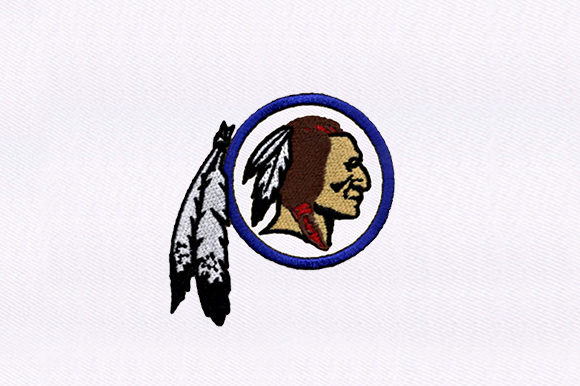
The Native American design immediately stands out with its bold, recognizable imagery. As an experienced embroidery designer, I find the Indian Chief motif to be both culturally significant and visually striking. It has a strong visual presence that can draw attention in a crowded craft fair booth or online marketplace.
Design Appeal and Visual Impact
Native American is a design that feels premium and decorative, blending elements of tradition with modern appeal. Its intricate details and confident composition make it suitable for a wide range of products. Whether displayed on a tote bag, apron, or embroidered patch, the design maintains its visual strength and clarity.
Product Performance Across Craft Fair Items
Native American performs exceptionally well across various craft fair products. On tote bags, it adds a touch of cultural artistry without overwhelming the fabric. Apron embroidery benefits from the design’s balance between detail and simplicity, making it easy to incorporate into everyday use items. Tea towel embroidery offers a rustic, farmhouse feel, while embroidered patches and fabric pouches allow for smaller, more focused applications.
For pillow covers and market bags, the design holds up well when scaled appropriately. It also works as a standout feature on handmade gifts and booth samples, offering a unique selling point for small shop products. The ability to create printable mockups ensures that Etsy sellers and digital embroidery file users can preview how the design will look on different materials before production.
Practical Selling and Production Considerations
One of the key advantages of Native American is its clarity at a glance. The design is easy to understand and interpret, which is crucial for attracting customer attention. It functions well as both a small accent and a large focal design, depending on the product and placement.
However, there are some practical notes to consider. Dense stitch areas may require careful handling during embroidery, especially on thicker fabrics. Tiny details and small lettering could lose clarity if not properly adjusted for the chosen fabric texture. Dark fabrics might also affect the visibility of certain thread colors, so it's important to test the design on scrap fabric first.
Curved surfaces like caps present another challenge, as they can distort the design’s proportions. Ensuring proper hoop size and stabilizer use is essential to maintain stitch density and overall quality. For commercial embroidery, confirming the correct file formats and licensing terms is necessary to avoid legal issues.
Visual Appeal and Customer Engagement
Native American enhances visual appeal by adding a sense of authenticity and craftsmanship. It appeals to customers looking for meaningful, handcrafted items that reflect cultural heritage. The design’s uniqueness helps differentiate handmade products in a competitive market, increasing buyer engagement and perceived value.
When displayed in a booth, Native American can serve as a strong visual anchor. Pairing it with other complementary designs can create a cohesive brand identity, reinforcing consistency across all product lines. This is particularly valuable for Etsy sellers and boutique makers aiming to build a recognizable brand.
Handmade Quality and Brand Consistency
The design supports high-quality handmade products by offering flexibility in application. Whether used on tea towels, fabric pouches, or embroidered patches, Native American maintains its integrity and aesthetic appeal. This versatility allows for repeatable batch production, making it ideal for small shop products and commercial embroidery ventures.
Ensuring consistent thread colors and spacing is vital for maintaining brand consistency. Reviewing the embroidery file for stitch density and adjusting stabilizer types based on fabric texture can significantly impact the final product’s quality. These steps help ensure that each finished product meets the standards expected by discerning customers.
Final Thoughts and Design Notes
As an embroidery designer, I recommend testing Native American on scrap fabric to assess how it performs on different materials. Checking thread contrast and reviewing spacing will help achieve the best results. Confirming hoop size and stabilizer type is essential, especially when working with textured towels or curved surfaces.
Creating at least one real mockup before mass production is a smart step for Etsy sellers and digital embroidery file users. Comparing fabric colors and ensuring proper commercial licensing will further support the successful sale of finished products. Native American is a versatile, impactful design that can elevate your craft fair booth and handmade product line with its blend of tradition and modernity.